

7 Tax Problems Caused by Bad Bookkeeping That Small Business Owners Overlook
If you run a small service business and manage your own books, it is easy to assume everything is fine as long as your bank balance looks right. But that assumption is exactly how a small issue turns into a serious tax problem.
Most tax problems from bad bookkeeping do not start with one large mistake. They build slowly. A missed transaction here, a miscategorized expense there, and before long your financial reports no longer reflect reality. By the time you sit down to file taxes, you are working with numbers you cannot fully trust.
Understanding where these issues come from is the first step to avoiding them. Below are seven of the most common ways bookkeeping problems turn into tax issues.
1. Incomplete or Inaccurate Records
The most common starting point for any tax problem is inaccurate data. If your bookkeeping is missing transactions or includes duplicates, your reports are already off.
These are the kinds of bookkeeping mistakes that cause tax problems because they directly affect your income and expense totals. When your numbers are wrong, your tax return will be wrong as well.
This often happens when business owners rely on memory or delay entering transactions. Over time, the gaps add up and create confusion that is difficult to untangle later.
2. Misreported Income and Expenses
To understand how bad bookkeeping affects taxes, you have to look at how your numbers flow into your return. Your bookkeeping determines what gets reported.
If income is overstated, you end up paying more than necessary. If it is understated, you risk penalties and interest. The same applies to expenses.
These incorrect bookkeeping tax consequences are not always obvious right away. Many business owners only discover them after comparing their numbers to prior years or receiving a notice.
3. IRS Notices and Mismatched Records
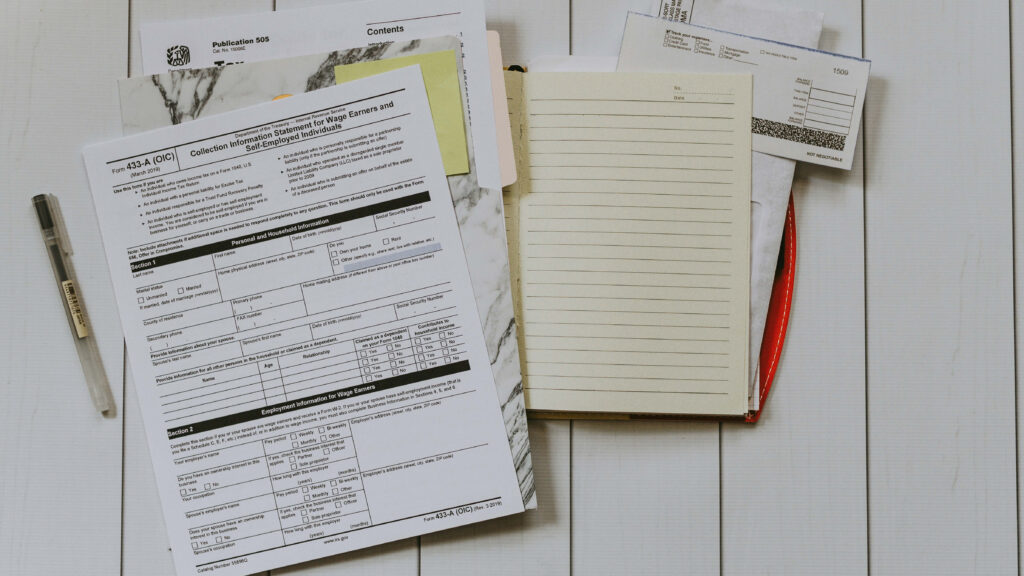
One of the most common questions is whether bad bookkeeping can cause IRS problems. It can, and often does.
When the IRS receives income reports from third parties such as 1099 forms, those numbers are compared to what you report. If they do not match, it can trigger a notice.
Even small discrepancies can lead to time-consuming corrections. In many cases, the issue is not fraud but poor recordkeeping. Still, the burden of fixing it falls on the business owner.
4. Audit Risk from Bad Bookkeeping
Many business owners worry about audits. While they are not frequent, bad bookkeeping increases the likelihood.
Bookkeeping errors that trigger audits often include inconsistent income, unusually high deductions, or numbers that fluctuate without explanation. These patterns stand out.
This is where audit risk from bad bookkeeping becomes real. If your records are not clear and organized, it becomes harder to defend your return if questions arise.
5. Miscategorized Expenses
Miscategorized expenses tax problems are one of the most overlooked issues.
It might not seem like a big deal to put a transaction in the wrong category, but it affects how your financials are reported. Over time, this can distort your deductions and create inconsistencies.
For example, combining personal and business expenses or mislabeling major costs can make your reports less reliable and raise questions if reviewed.
6. Unreconciled Accounts
Unreconciled accounts tax issues happen when your bookkeeping does not match your actual bank or credit card balances.
Without reconciliation, errors go unnoticed. Transactions may be missing, duplicated, or recorded incorrectly. These mistakes carry forward into your reports and affect your tax filings.
Reconciling regularly is one of the simplest ways to prevent larger problems, yet it is often skipped.
7. Penalties and Lost Money
At the end of the day, these issues cost money. Tax penalties from bookkeeping mistakes can include late filing penalties, accuracy penalties, and interest on unpaid amounts.
There are also hidden costs. Bookkeeping mistakes that cost you money often show up as missed deductions or hours spent fixing problems during tax season.
What could have been handled easily throughout the year becomes stressful and expensive when left until the last minute.
Why These Problems Build Over Time
A tax problem rarely comes from a single mistake. It develops from small issues that are not addressed.
Many business owners start out managing their own bookkeeping with good intentions. Over time, as the business grows, the system becomes harder to maintain. Transactions increase, complexity grows, and errors become more likely.
Without a consistent process, small inaccuracies begin to stack up. By the time taxes are due, the cleanup can feel overwhelming.

What to Watch For
There are a few clear signs that your bookkeeping may be creating risk:
- Your bank balance does not match your reports
- You are unsure of your actual profit
- You avoid reviewing your numbers
- Tax time feels rushed or confusing
These indicators suggest it may be time to take a closer look before a small issue becomes a larger tax problem.
FAQs for Tax Problems
Can bad bookkeeping really cause a tax problem?
Yes, poor bookkeeping is one of the most common causes of tax issues for small businesses. When records are incomplete or inaccurate, your tax return is based on incorrect numbers. This can lead to underreporting income, overstating expenses, or missing deductions. Even small errors can build over time. Keeping your books accurate and current helps ensure your taxes reflect your actual financial activity.
How does bookkeeping affect taxes over time?
Bookkeeping issues tend to build gradually. A few small errors like missed transactions or incorrect categories may not seem like a big deal at first. Over time, they can throw off your financial reports. By tax season, your numbers may no longer match reality, which can lead to overpaying or penalties. Regular review and consistent recordkeeping help prevent long-term issues.
What are common bookkeeping mistakes that cause tax problems?
Common mistakes include missing transactions, duplicate entries, and failing to reconcile accounts. Misclassified expenses and mismatched balances are also frequent issues. These errors make your reports unreliable and can lead to incorrect filings. Staying organized and reviewing your books regularly helps reduce the chance of problems.
Can bad bookkeeping get you audited?
Poor recordkeeping can increase the chance of an audit. Inconsistencies such as mismatched income, unusual deductions, or incomplete records may raise concerns. While audits are not common, having unclear or disorganized books makes them harder to handle. Accurate and well-maintained records help reduce risk and make it easier to respond if questions come up.
Why do bookkeeping mistakes cost so much money?
Mistakes can lead to penalties, interest, and missed deductions. You may also spend extra time fixing issues, especially during tax season. What starts as a small error can turn into a larger financial problem if it is not addressed early. Keeping your books accurate throughout the year helps avoid these unnecessary costs.